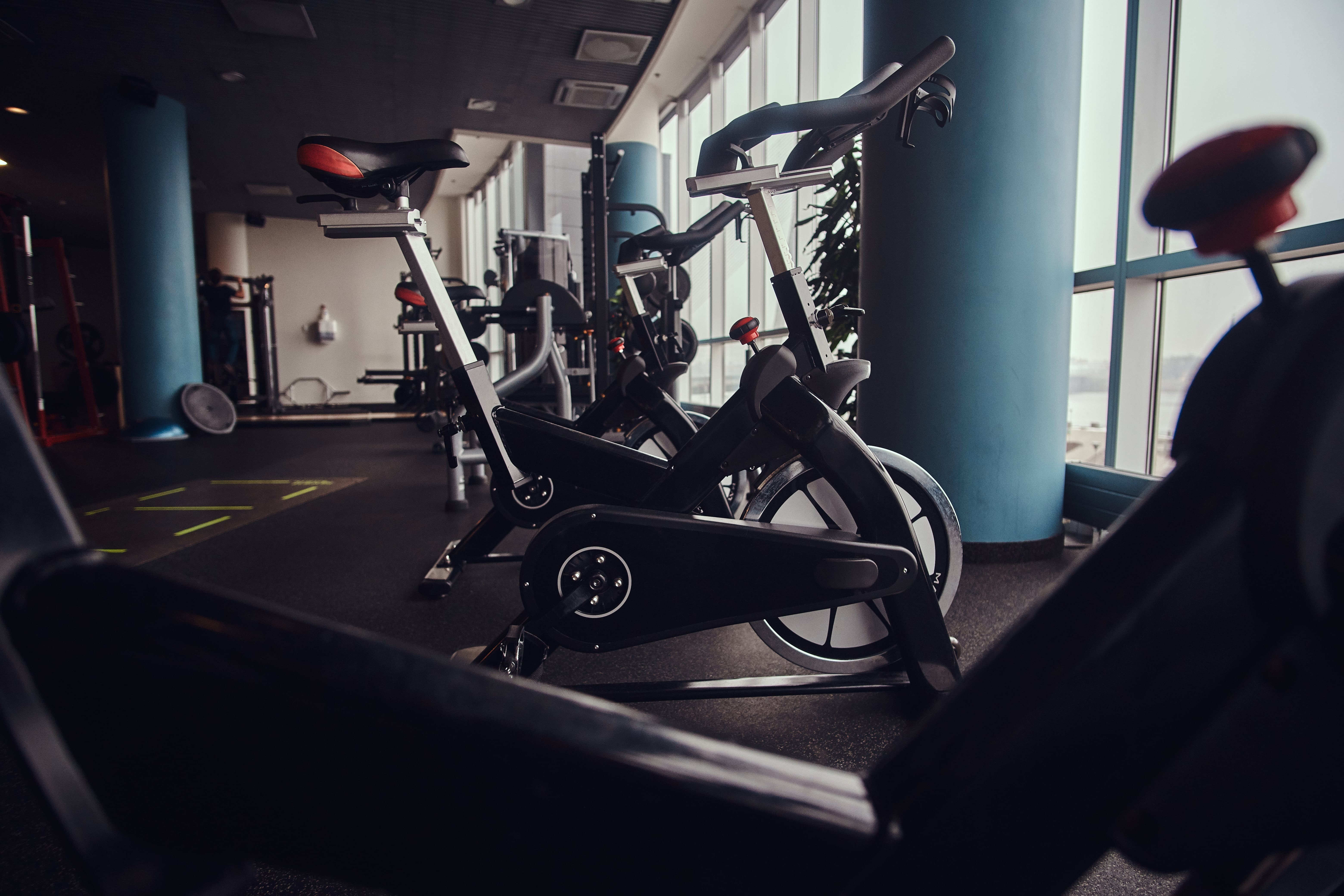
This Story Behind Home Exercise Bike Can Haunt You Forever!
The Ultimate Guide to the Home Exercise Bike: Pedaling Your Way to Better Health
Over the last few years, the physical fitness landscape has actually moved significantly. With busy schedules, unpredictable weather, and the increasing expenses of boutique fitness studios, more people are buying their health from the comfort of their own living-room. Among the most popular pieces of home physical fitness equipment is the humble, yet versatile, home exercise bikes home bike.
Whether one is intending to slim down, develop cardiovascular endurance, or just maintain an active lifestyle while watching television, a stationary bicycle provides a low-impact, high-reward service. This detailed guide explores whatever one requires to learn about selecting, utilizing, and taking full advantage of exercises on a home exercise bike.
Why Choose a Home Exercise Bike?
Investing in fitness devices is a huge decision. Compared to pounding the pavement or hitting the regional fitness center, a home stationary bicycle supplies a number of unique advantages:
- Low-Impact Movement: Running and jumping can be severe on the joints-- particularly the knees and ankles. Cycling is a smooth, circular movement that cushions joints while still delivering an intense cardio workout.
- All-Weather Reliability: Rain, snow, or scorching heat can easily hinder an outside running regimen. An indoor bike makes sure that weather condition is never a reason to avoid an exercise cycle For Sale.
- Benefit and Time-Saving: Commuting to the health club requires time. Having a bike in the bed room or home workplace gets rid of travel time, making it much easier to squeeze in a 20-minute session in between conferences.
- Multi-Tasking Friendly: Unlike high-concentration exercises, riding a stationary bike typically permits people to check out a book, catch up on a preferred television program, or listen to a podcast while working out.
Types of Home Exercise Bikes
Not all exercise bikes are created equivalent. Different styles accommodate different fitness goals, physique, and area restrictions. Comprehending the main categories is the very first step towards making a notified purchase.
1. Upright Bikes
Upright bikes closely simulate traditional outside bikes. The rider sits in an upright position, engaging the core and upper body to stabilize themselves.
- best home exercise machine for: General fitness, endurance training, and users who want a conventional cycling feel.
- Pros: Compact footprint, engages core muscles, extremely flexible.
- Cons: Can cause lower back or seat pain throughout long sessions.
2. Recumbent Bikes
Recumbent bikes feature a larger, bucket-style seat with a back-rest. The pedals are positioned out in front of the rider rather than directly beneath them.
- Best for: Individuals with lower pain in the back, elders, or those recovering from injuries.
- Pros: Exceptional lumbar support, incredibly comfy, extremely steady.
- Cons: Takes up more floor area; normally offers a less intense upper-body engagement.
3. Indoor Studio Cycles (Spin Bikes)
These are the durable bikes popularized by store biking classes. They include heavy flywheel resistance systems and handlebars developed for different riding positions (sitting, standing, climbing).
- Best for: High-intensity interval training (HIIT), severe cyclists, and immersive digital classes.
- Pros: Highly resilient, mimics outside roadway biking, permits for out-of-the-saddle climbing.
- Cons: Seats can be uneasy at first; generally needs cycling shoes with cleats for optimal efficiency.
Comparing the Options: At a Glance
To help visualize the distinctions in between the three primary kinds of home stationary bicycle, think about the following contrast:
| Feature | Upright Bike | Recumbent Bike | Studio Cycle Exercise Home (Spin) |
|---|
| Primary Focus | General cardio & & toning Comfort & rehabilitation High-intensity & workouts Back Support | None Complete back-rest None Footprint |
Little Big Medium to Small Strength Level Moderate to High Low| to Moderate High to Very High Joint Friendliness Great | |
| Outstanding | Excellent Secret Features to Look For When shopping for | a home exercise bike home exercise, a number of technical specifications and features necessitate mindful factor to consider: Resistance Mechanism: Bikes generally use friction resistance(pads pushing versus a flywheel) or magnetic resistance. Magnetic resistance is usually quieter, smoother, and | requires practically no maintenance. Flywheel Weight: For studio cycles, |
a much heavier flywheel(generally
30 to 40+pounds )provides a smoother, more momentum-driven pedal stroke. Console and Connectivity: Modern bikes frequently feature LCD screens or touch tablets. Some sync with physical fitness apps (like Peloton, Zwift, or Apple Fitness+)through Bluetooth to track metrics such as RPM, heart rate, wattage, and calories burned. Adjustability: An appropriate fit is essential to avoid injury. Search for a bike with a completely adjustable seat(both vertical and horizontal )and adjustable handlebars. Tips for Maximizing Your Workouts Merely sitting on a home stationary bicycle for exercise at home is inadequate; appropriate kind
and structured routines are important to seeing results. Keep Proper Form Saddle Height: When the pedal is at its floor, the rider's leg should have a small bend (about a 25-to-30-degree angle)at the knee. Handlebar Placement: Handlebarsmust be high enough that the rider's back is not excessively rounded. Shoulders need to stay relaxed, away from the ears. Pedal Stroke: Focus on a smooth circular motion.
Think of pressing down and bring up on the
pedals to engage both the quadriceps and hamstrings. Include Variety To avoid dullness and plateaus, blend weekly regimens: Steady-State
Rides: Maintain a moderate,- constant speed for 30 to 45 minutes to build aerobic endurance. Period Training(HIIT ): Alternate between 30 seconds of full-blown sprinting
- and 90 seconds of active recovery. This enhances metabolic process and burns calories long after the workout ends. Hill Climbs: Increase the resistance significantly and pedal at a slower, much heavier RPM to construct lower-body strength. Security and Maintenance While indoor cycling is remarkably safe, a few basic practices make sure durability for both the equipment and the rider: Stay Hydrated:
Keep a water bottle in the
bike's integrated cage. Indoor biking triggers substantial sweating, even in air-conditioned rooms. Clean Down the Bike: Sweat is corrosive. Wipe the frame, handlebars, and seat with a microfiber cloth and a mild
- disinfectant after every session. Examine Bolt Tightness: Every few weeks, check the pedals, handlebars, and seat posts to make sure no bolts have actually shaken loose from routine use. A home stationary bicycle is more than simply a piece of metal and plastic-- it is an investment in long-term health, psychological clarity, and physical vigor. By choosing the best model for particular needs, keeping proper riding kind, and keeping workouts
engaging, anyone can transform their living-room into a powerhouse of health. Whether pedaling away the tension
- of a long workday or chasing after an individual fitness record, the journey to a much healthier way of life is simply a pedal stroke away.